
Preparedness is systems engineering. Not cosplay.
We help people who live in apartments, ride trains and work in office buildings build discreet, engineer-tested Everyday Carry kits and emergency bags — so they can handle blackouts, gridlock and infrastructure failures, and get home safely, without looking like a crazy person.
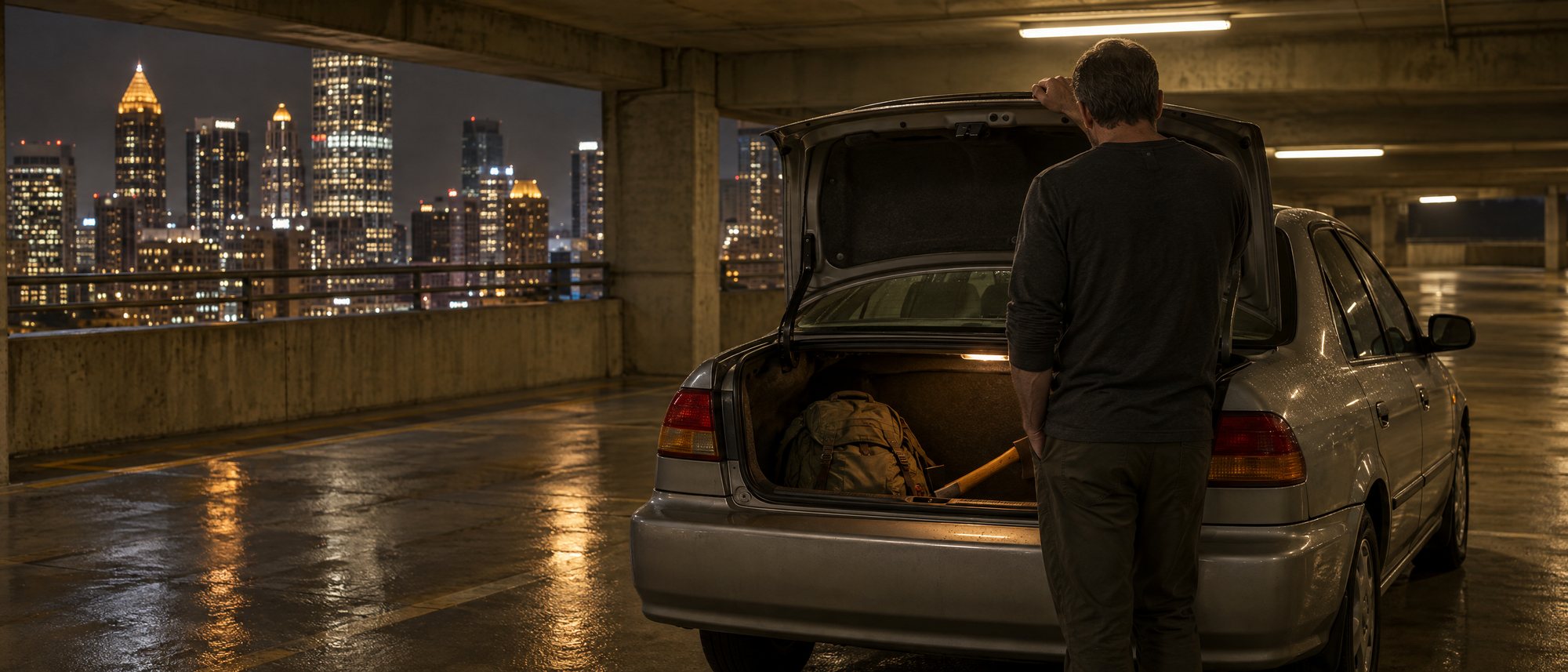
A felling axe in a Midtown trunk is dead weight. A 30-gram light on your keys is not.
The 4-Tier System
Readiness has to live somewhere, and where it lives decides what it can weigh. Four tiers, one rule: weight moves down, and the pockets stay light.
Tier 1
Pockets
On your body, always. Must survive a dress code, a crowded train and a checkpoint.
125–175 g
Tier 2
Commuter Bag
The Get Home Bag, in five subsystems. Must not change the bag’s silhouette.
a few pounds
Tier 3
Vehicle Trunk
A locked, low-profile organizer. Must survive 144°F in July. Checked twice a year.
heat-rated
Tier 4
Apartment
Seventy-two hours in place on a closet shelf. As heavy as it needs to be.
72 h
Tier 1, weighed
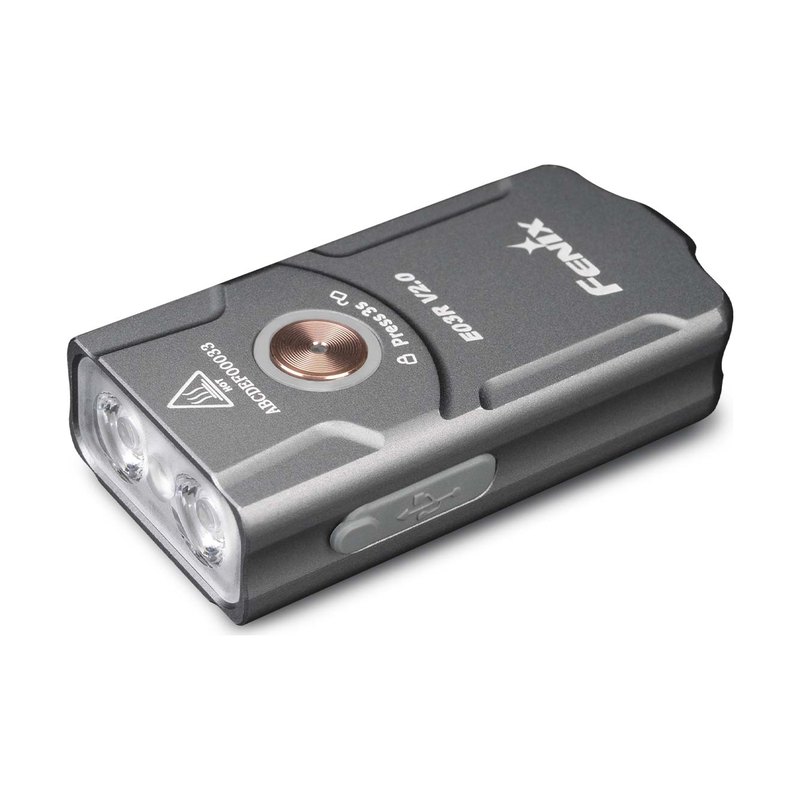
Fenix E03R V2.0
30 g
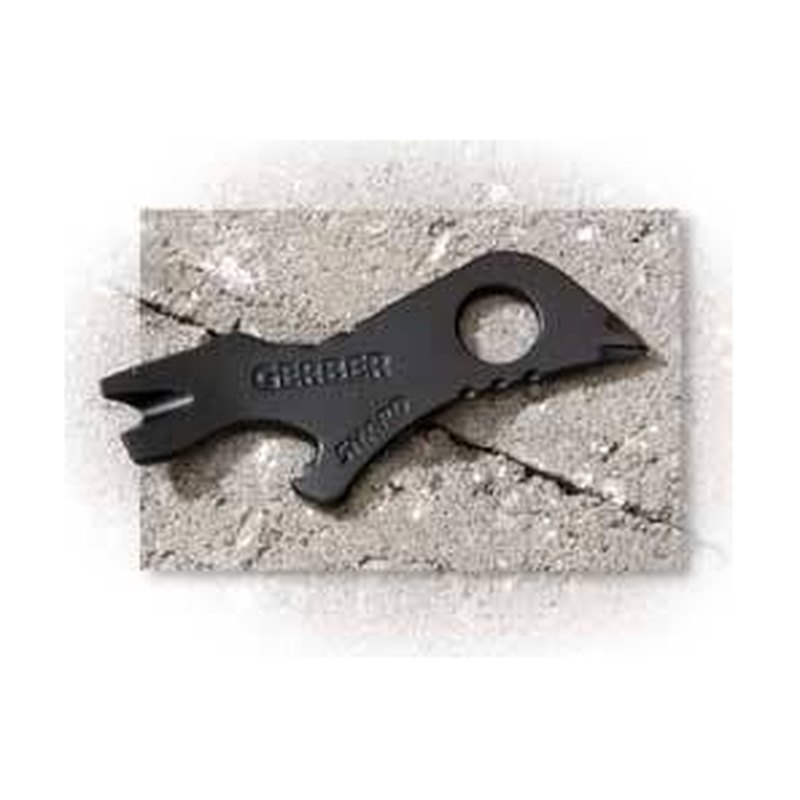
Gerber Shard
23 g
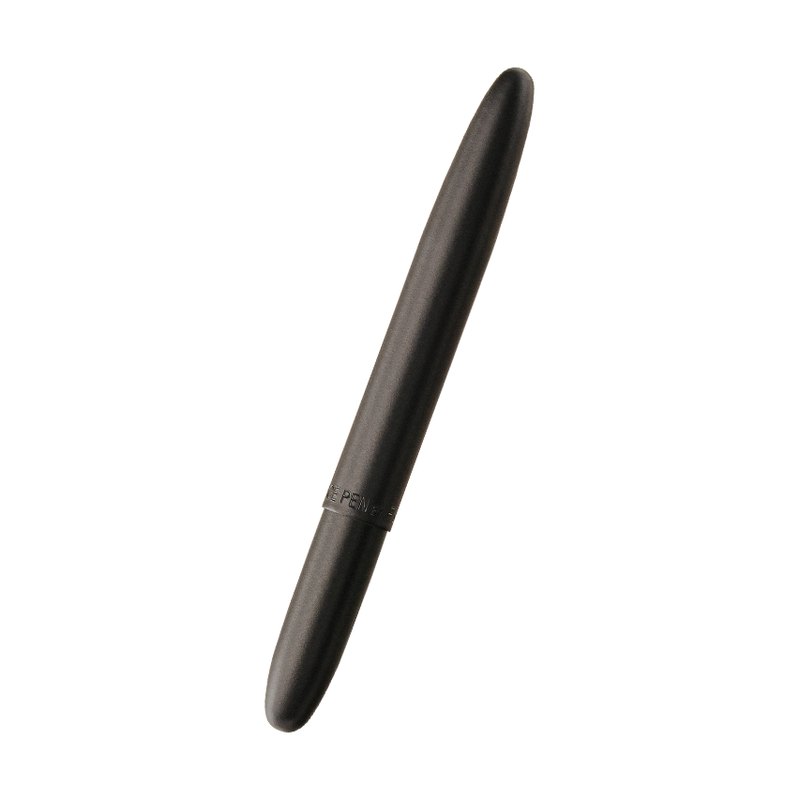
Fisher Bullet
21 g

Leatherman Micra
51 g
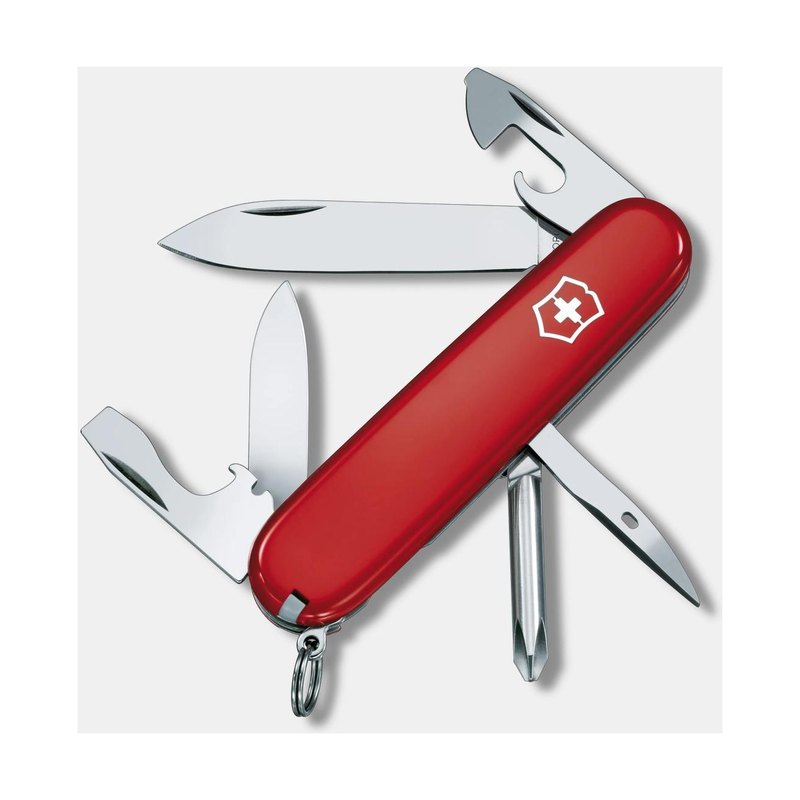
Victorinox Tinker
62 g
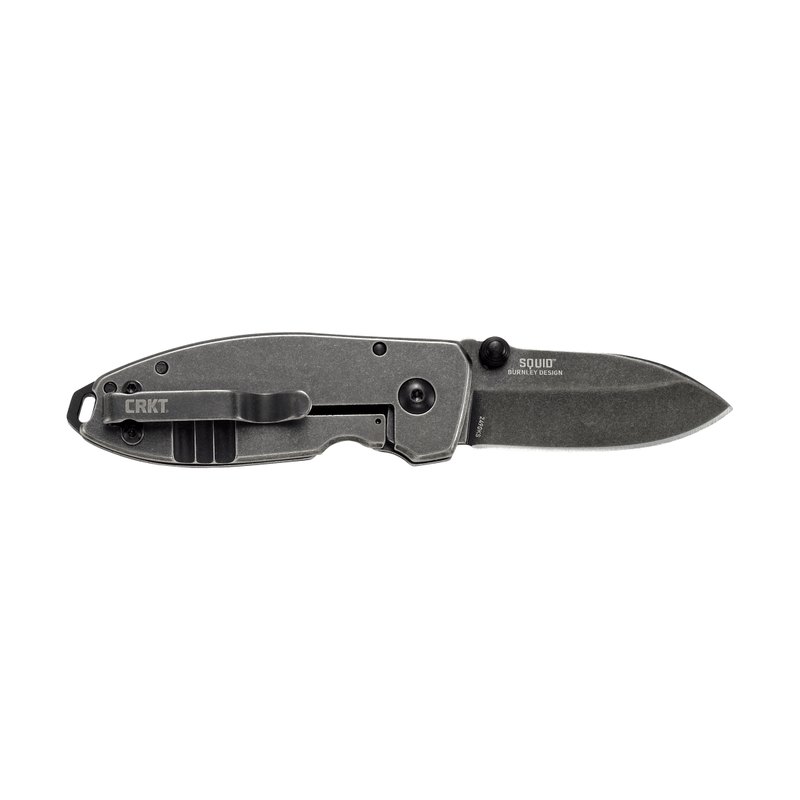
CRKT Squid
99 g
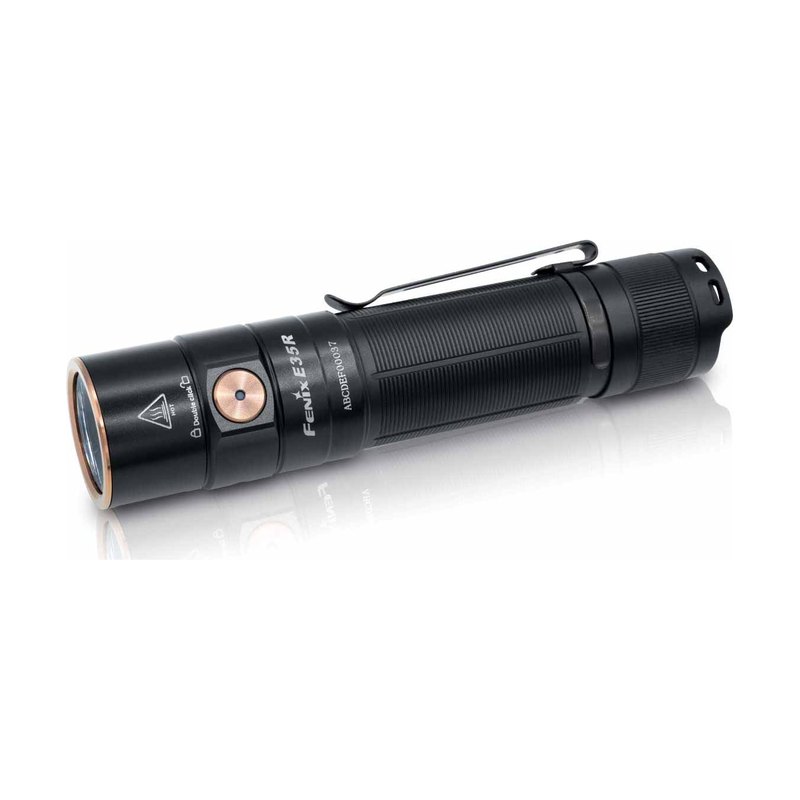
Fenix E35R
148 g
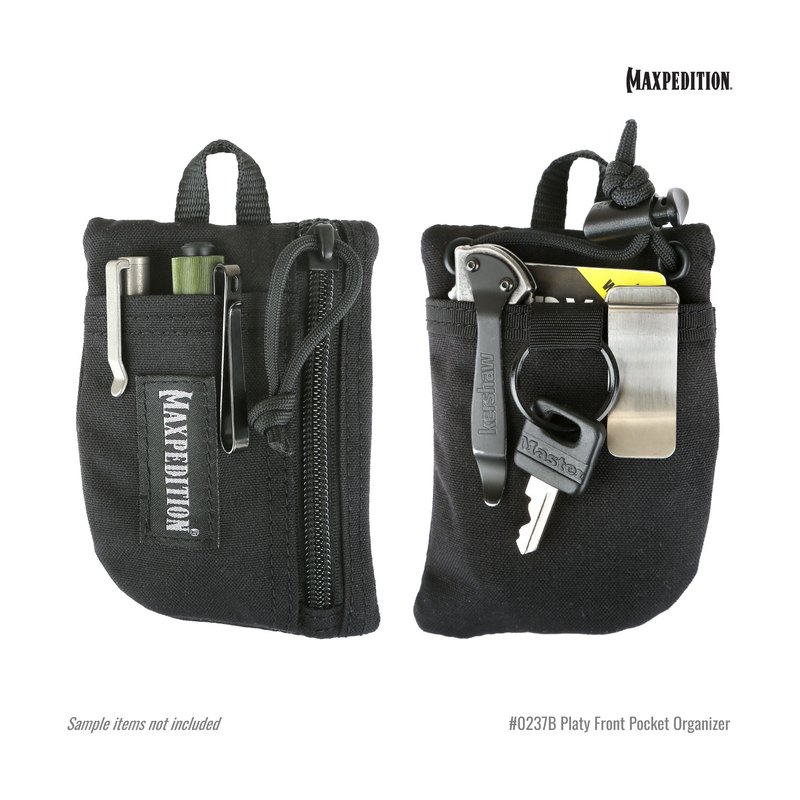
Maxpedition Platy
45 g

Pick Pocket
[__ g]
Pocket A · 74 g — always on you, clears office, transit, PreCheck and courthouse
Pocket B · pick one — a blade by workflow; office status is your employer’s policy
Fifth pocket · optional — the deck-and-stairwell commute, the Platy, the picks if you know your statute
A normal human with a spreadsheet
the lab · Atlanta
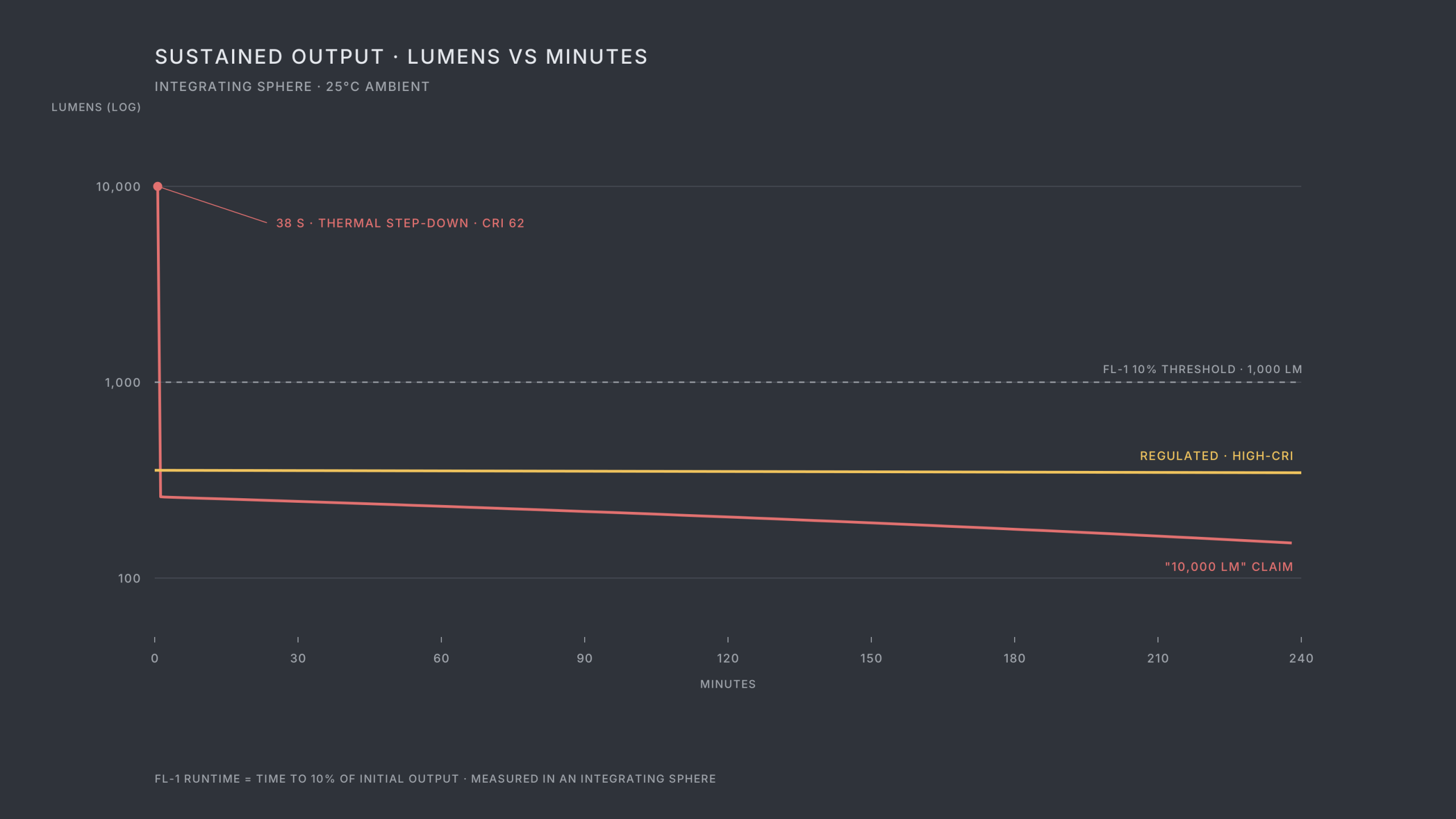
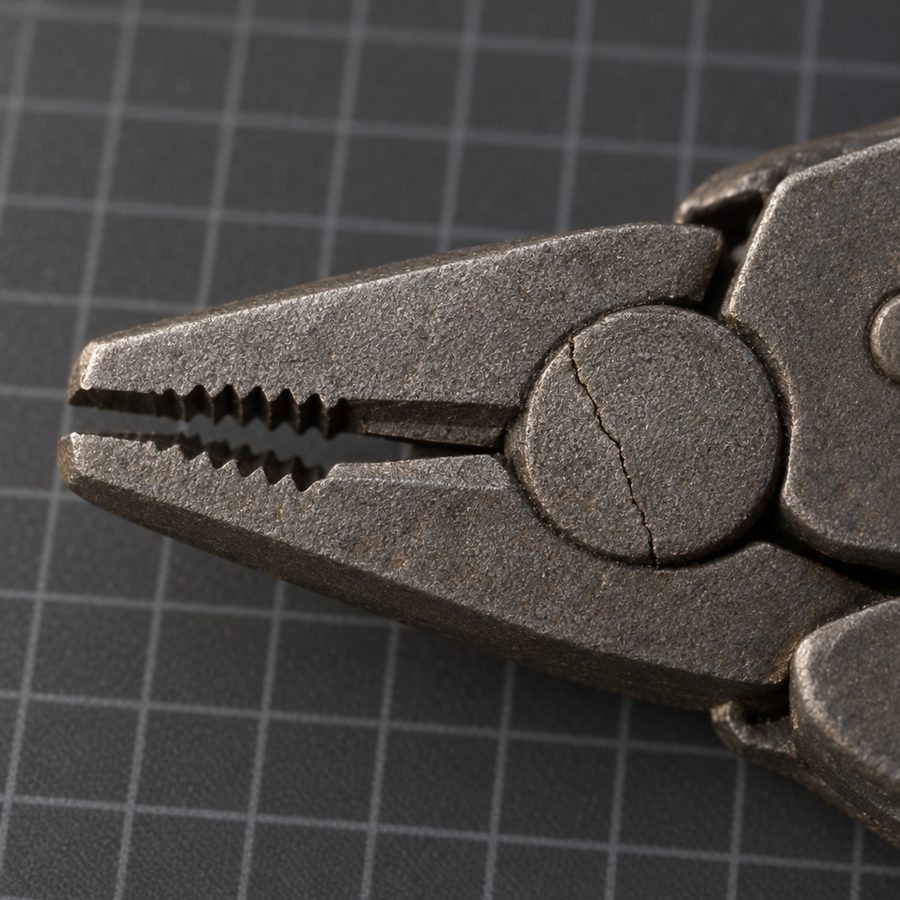
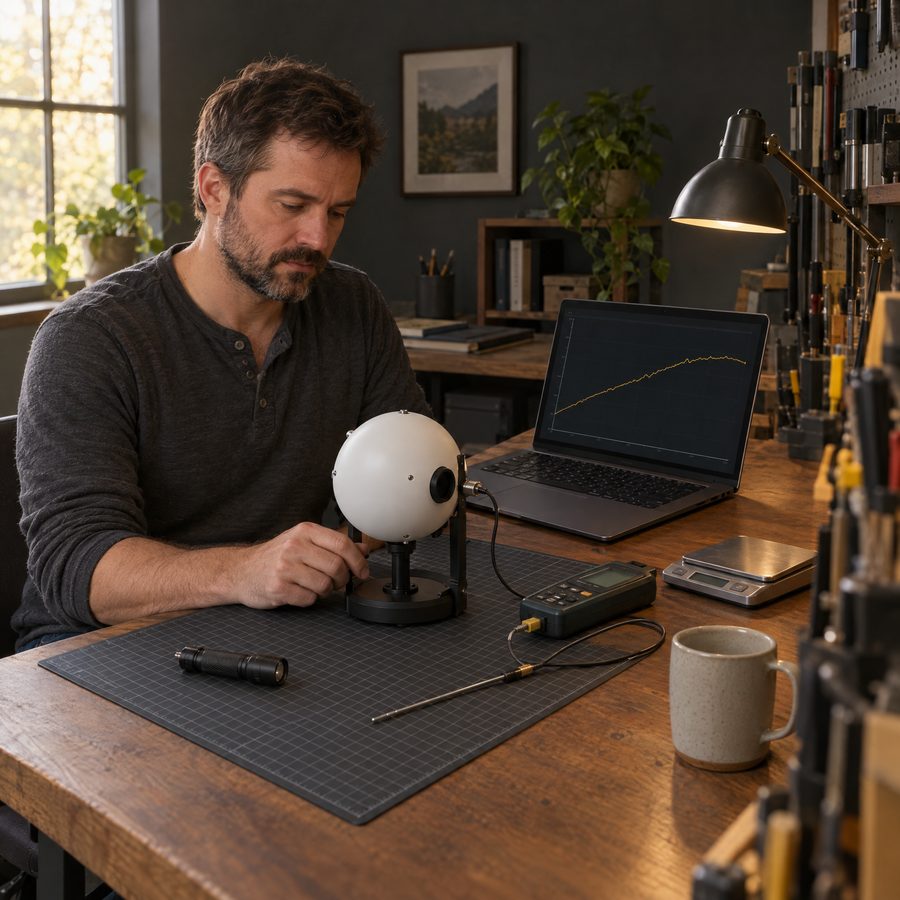
We publish the failures. Thermal step-down, color rendering, torque to failure, the macro of the delaminated zipper.
We test in the city. Under an airline seat, inside a MARTA car, a 144°F trunk, a city ordinance.
We tell you what not to buy. Every review has a “Who should NOT buy this” section. We make more money that way.
We say which numbers are ours. Manufacturer figure or our instrument — the page always says which.
Skills > Systems > Gear
A $200 titanium multi-tool will not save you if you don’t know where your apartment’s water shut-off is, can’t walk four miles in the rain without blisters, or don’t know the first name of the person in 4B.
Skills and community come first. The modular system comes second. Hardware is last, and it’s last on purpose.
01
Skills & community
Your water shut-off. Four miles on foot. The first name of the person in 4B.
02
Modular systems
Four tiers, one job per item, weight moving down.
03
Vetted hardware
Last, on purpose. Measured before it is recommended.
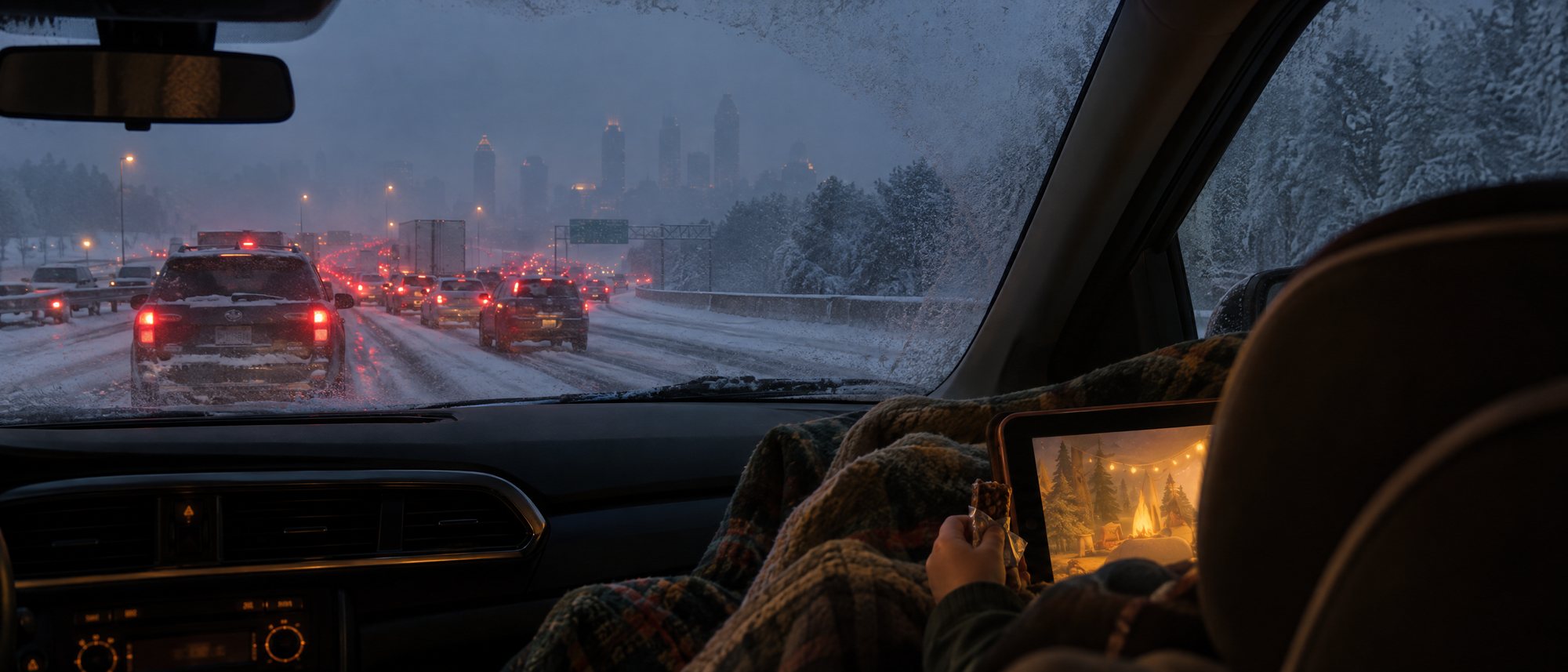
“Everybody around me was having the worst night of their lives, and for my kid it felt like a fort-building adventure.”
Marcus · Decatur · eleven hours on frozen I-285, two weeks after building the system
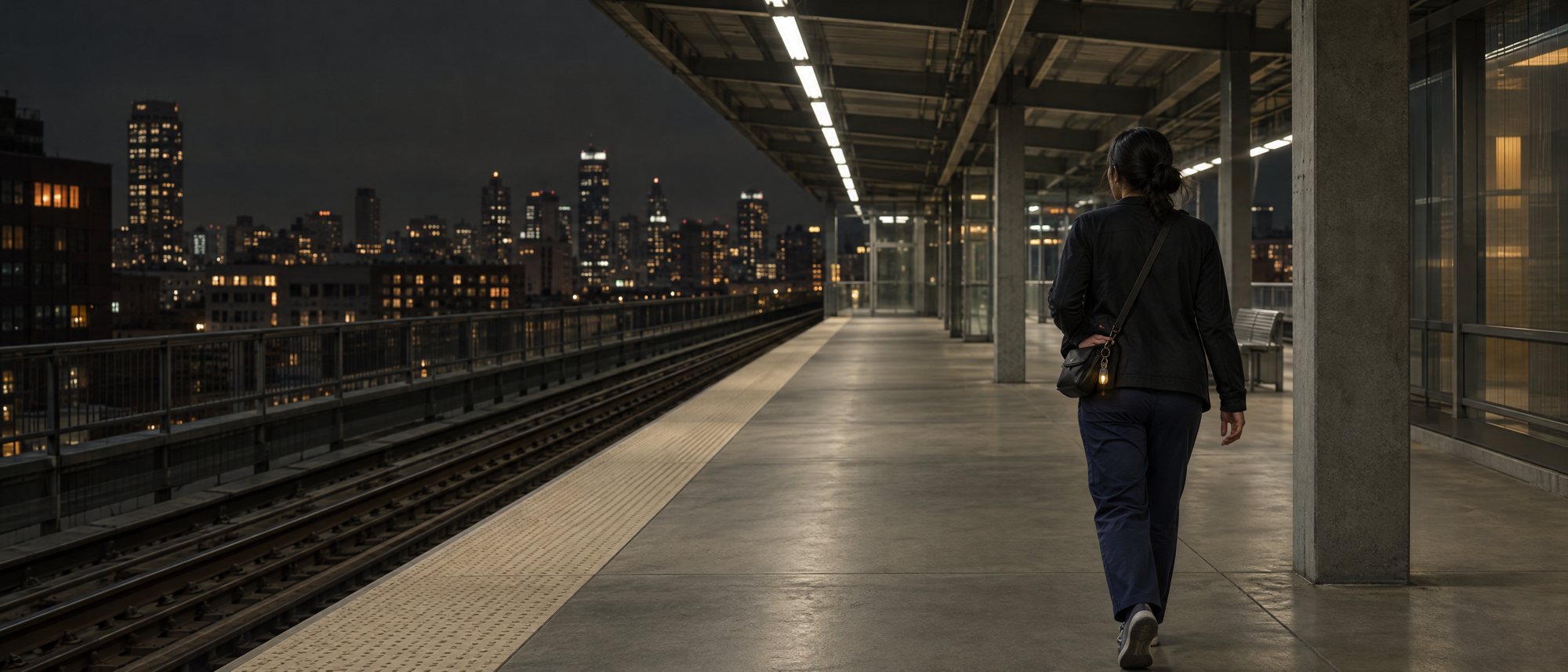
Eleven pounds of safety gear a video told her to buy, refactored to three. One hand free. Her shoulders physically dropped.
Sarah · trauma nurse · Civic Center station, 11:30 PM
“You’re the only person in the survival space who doesn’t talk to me like I’m a Navy SEAL wannabe or an idiot.”
David · commercial architect · Chicago · a 24-hour kit in the false bottom of an ordinary laptop backpack
When you’re ready for the rest
The free guides and reviews build the tier. These three finish the system.
Digital Blueprints
The Urban Readiness Calculator
Your city, climate, commute and household in; a gram-by-gram loadout for all four tiers with a rotation schedule out. You know when your system is complete.
$29–$79
Gray Man Micro-Kits
The Urban Bypass & Utility Module
Silcock key, voltage detector, compact pliers, two N95s, a high-CRI penlight — in a pouch that looks like a mouse case. No retailer makes one.
$65
The Redundancy Club
Raw data, hazard briefs, the Discord
Every runtime graph and edge-retention chart behind every verdict, localized briefs ahead of a storm, and commuter route audits with people who know what a SPOF is.
$8/mo · $80/yr
The Tuesday
One measurement, one mountain-to-city bridge, one fix list. Every Tuesday. No hype, no apocalypse.